People in the UK check their phones on average every 12 minutes, with an average daily screen time reportedly reaching nearly five hours. More than some people sleep…
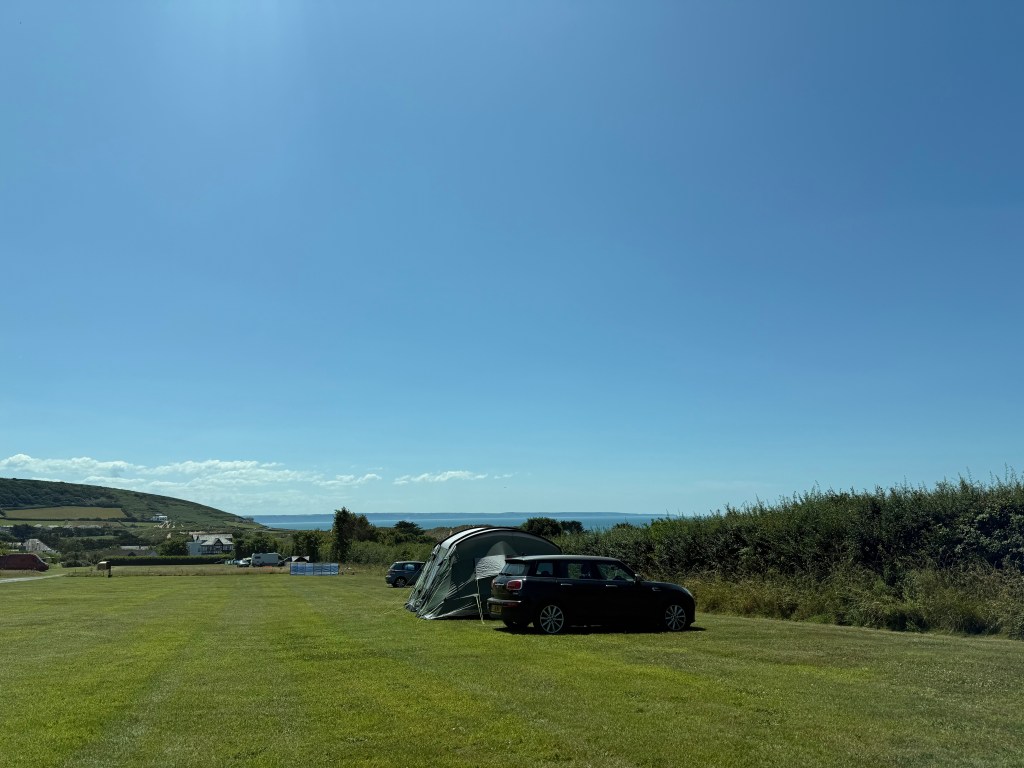
In July, I went on a camping trip and decided to fully unplug. My screen time for the whole weekend was just 18 minutes (all of which was spent on Google Maps), and since coming home, my phone addiction has become glaringly obvious.
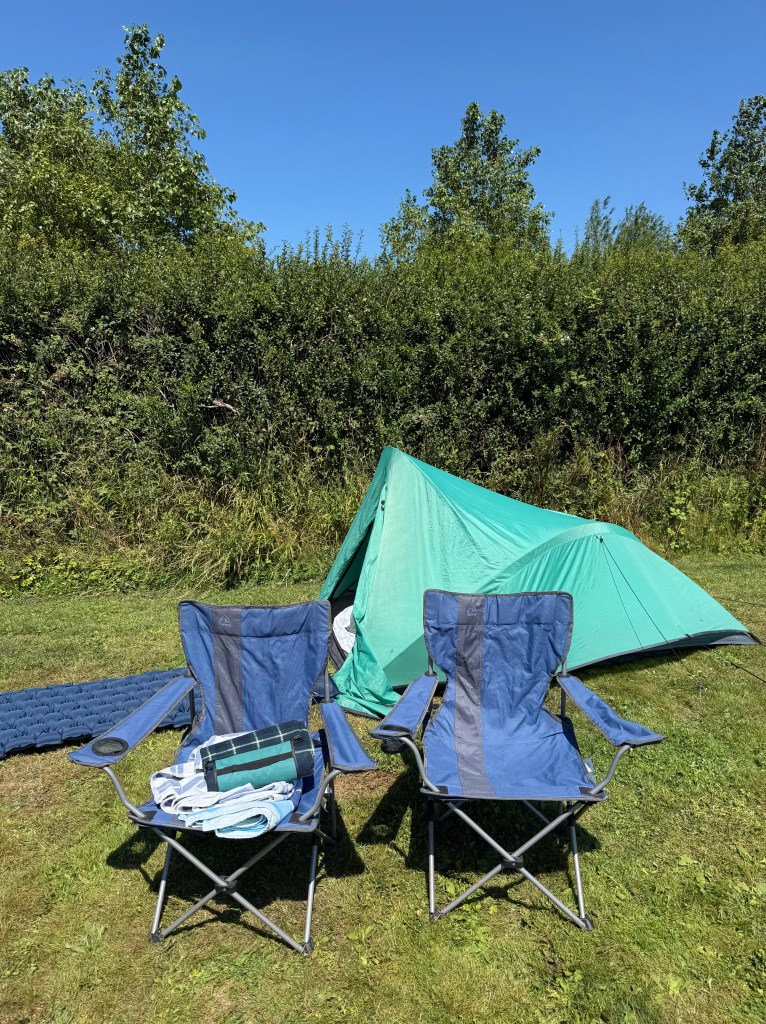
The simplicity of camping life made me want to throw away my phone and never look back. No notifications. No updates. Just the beach, unfiltered conversation, and the sound of my own thoughts—something I hadn’t heard clearly in a while.
But, since returning to London, the fact that the modern world doesn’t allow us to disconnect is as obvious as my hatred for my phone. The more I thought about it, the more I realised—this isn’t just a personal issue. It’s systemic.
“Unplugging has become the modern-day rebellion”, says Arianna Huffington, founder of Thrive Global.
Phones started as tools which were useful in emergencies and great for convenience. Now they’re our wallets, calendars, therapists, cameras, compasses, and our constant link to the outside world. And it’s not even the natural world we’re connecting to, it’s the digital one.
Somewhere along the way, phones stopped being accessories and became extensions of ourselves. And the scary part? We’ve been conditioned to love them, or worse, depend on them. The dopamine hit from a like, a ping, a message is hardwired now.
And more than that, society expects us to always be reachable. If you don’t reply quickly, it’s seen as cold, unprofessional, or even rude. That expectation spills into our work lives, too. Constant connectivity is the new standard, as a new social stigma to being unavailable is growing. At dinner tables, during conversations, even in ‘relaxation’ spaces like parks and cafes, we cling to them.

“It’s not just that we use technology — we live it.” — Douglas Rushkoff
We’re so used to sharing everything—holidays, food, milestones, even our grief—that it now feels strange to just live something without posting it. Social media has trained us to think in captions, to scan our lives for shareable moments. It’s subtle, but exhausting.
With posting comes comparison. An unhealthy obsession, whether realised or not, that the people you are comparing yourself to aren’t even real.
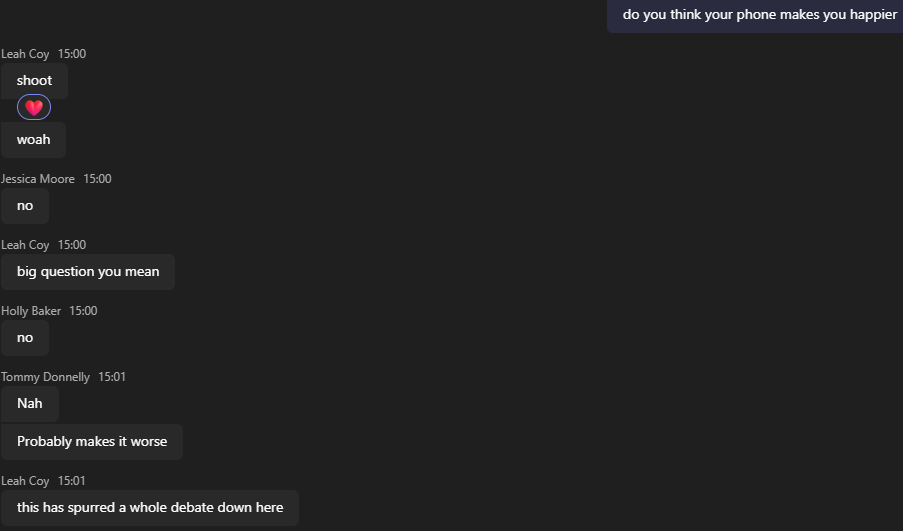
During the camping trip, it made me think, what are the positives? So, I posed the question: “Are we smarter with phones and instant information, or were people smarter back in the day?”
I still don’t know the answer. On the one hand, access to knowledge has never been easier. I can tell you the capital of any country, translate menus in real time, and learn how to change a tire with a YouTube video. But on the other hand, we’ve lost the art of wondering. Conversations used to meander and explore. Now, one person Googles the answer, and the moment dies without reflection or speculation.
On top of this, are we happier?
A phone-free life sounds peaceful. No endless comparisons, no curated perfection, no performative updates. Just real conversations, uninterrupted moments, and quiet. But it also sounds impractical. Without a phone, I’d get lost, be late, miss loved ones, forget birthdays, be cashless, cameraless, music-less…
So maybe the issue isn’t the phone—it’s everything that comes along with it. It’s social media. It’s the expectation of availability. It’s the work notifications that break into weekends. It’s the fear of missing out, and the pressure to always be “on.” It’s the pressure to perform rather than just exist.
Maybe we don’t need to throw our phones away. Maybe we just need boundaries and a moment to step back and acknowledge how performative social media really is.

For now, I’ll just remember the stillness of that weekend camping and how good it felt to be out of range.
Watch this space for a follow-up piece about how my two weeks without social media went…
 BEYOND THE WORD