
Londoners have mastered the art of impromptu meet-ups to enjoy life without spending money in the city. In the digital age, London remains a hub of connection and communication.
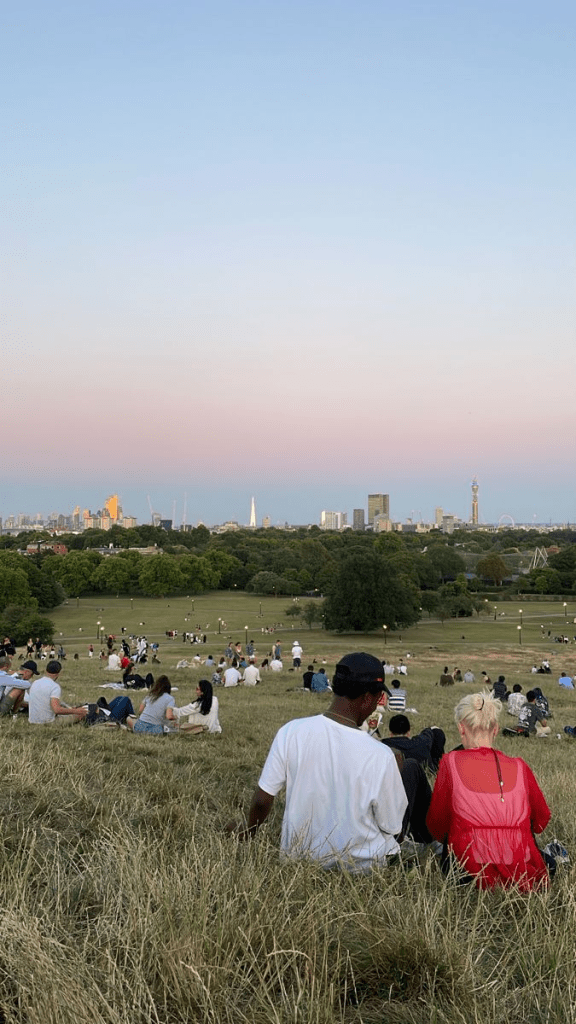
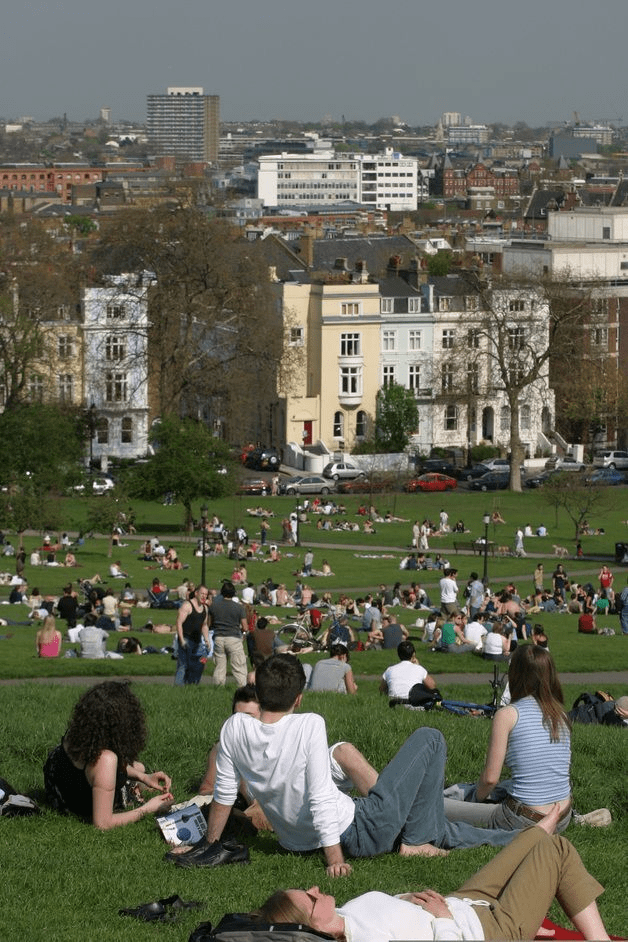
Last week, while wandering through Clapham Common with my auntie and uncle, showing them some of my regular haunts, they pointed out something that had become almost invisible to me: how alive the common was. The lawns were dotted with people of all ages, sipping coffee or Pimms, reading books, playing spikeball, or simply chatting, some in well-planned gatherings, others clearly spontaneous.
It was a refreshing reminder of how people can come together without a big occasion or fancy backdrop. Whether it’s housemates taking advantage of the sunshine or friends meeting up after work, there’s something uniquely beautiful about these informal moments of shared existence. London, often portrayed as cold and hurried, was humming with authenticity.
Urban planners and sociologists have a name for these settings: Third Places, a term coined by sociologist Ray Oldenburg in 1989.
“A generic designation for a great variety of public places that host the regular, voluntary, informal, and happily anticipated gatherings of individuals beyond the realms of home and work.”
Ray Oldenburg
These are the places in our lives that aren’t work or home but neutral, public venues where people can just be. Unlike commercial or professional environments, third places don’t require an agenda. They exist to encourage connection, relaxation, and community. Parks, cafés, libraries, church halls, street corners with benches, these are the settings where we can pause, interact, and remember we’re part of something larger than ourselves.
Third places don’t demand much. You don’t need to book a table or order a £15 cocktail to feel like you belong. In cities like London, where living costs are sky-high and social life can feel like a luxury, the value of low-cost, casual gathering places is even more pronounced. A patch of green space, a shared bottle of wine on a doorstep, and a well-worn picnic bench can serve as the foundation for real human connection.
They are on neutral ground, promoting social equity by putting everyone on the same level, where they can escape the monotonous life of work and become playful and silly.
“In the absence of informal public life, living becomes more expensive. Where the means and facilities for relaxation and leisure are not publicly shared, they become the objects of private ownership and consumption.”
Ray Oldenburg
It’s about presence, not prestige. These moments teach us that contentment doesn’t always need planning or spending, it just needs people and openness. Letting go of the need to impress makes room for genuine connection.
In many ways, this idea isn’t new. Think of the European coffee houses of the 17th and 18th centuries, especially in cities like Vienna, Paris, and London. These establishments weren’t just places to grab a caffeine fix; they were intellectual salons, hubs of political debate, creative brainstorming, and social exchange. Writers, thinkers, merchants, and everyday people came together to discuss the world over a single cup of coffee. They were democratic spaces, welcoming a mix of opinions, united by the shared desire to engage.

Much like today’s Third Places, those coffee houses fostered conversation, community, and curiosity. They played a vital role in shaping civic culture and even revolutionary ideas. In some ways, the modern-day picnic in the park or doorstep drink is a return to that spirit: accessible, informal, and essential.
These unpretentious environments, where laughter is easy, time is loose, and everyone feels welcome, are vital not just for our mental health but for the social fabric of our cities. They remind us that joy doesn’t have to be extravagant, and connection doesn’t have to be planned.
In a world increasingly defined by screens and schedules, reclaiming these moments of simple togetherness might be one of the most radical things we can do, and it’s refreshing to see them come alive in London.
 BEYOND THE WORD