This week, TikTok and Instagram were inundated with videos of British influencers documenting their encounters with fashion royalty, Bella Hadid. But despite the high production value and seemingly glamorous settings, something about the campaign felt curiously off. The interactions appeared awkward, the excitement forced, and the whole exercise carried an unmistakable air of desperation.

Bella Hadid, international supermodel and scion of the Hadid dynasty, has long represented the pinnacle of fashion cool. Her ascent within the industry, buoyed by a high-profile family and a series of flawless editorial moments, has been nothing short of masterful. The Hadid name itself evokes a specific brand of aspiration and exclusivity: Gigi’s luxury cashmere label, Guest in Residence, Yolanda’s wellness-oriented “almond mum” persona and even the family’s Texas ranch, featured by Architectural Digest. It is a family image grounded in aesthetic cohesion and carefully maintained mystique.
(Vogue Magazine cover, April 2022, Bella Hadid: Being Bella)
Enter Ôrebella (pronounced aura-bella), Bella’s newly launched perfume line. At first glance, it seemed a perfect extension of her personal brand, a wellness-adjacent, minimalist product that aligns with current sensibilities around identity, scent, and sustainability. The initial campaign visuals felt true to Bella’s ethereal, elevated persona. But the subsequent influencer-driven rollout told a different story.
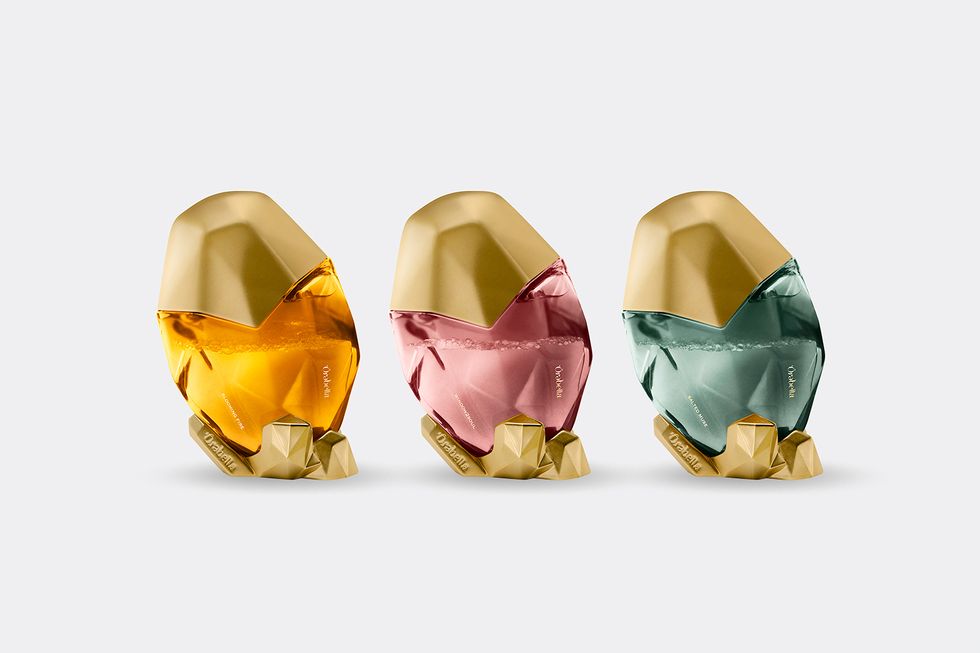
William Callan
In the days following the launch, scores of TikTok creators, many with modest followings and tenuous links to the luxury space, began posting content alongside Hadid in what resembled an orchestrated meet-and-greet tour. The effect was jarring. Bella, usually poised and editorial, appeared surprisingly ordinary. Approachable. Even uncertain. One couldn’t help but wonder: was this carefully calculated accessibility or an ill-advised attempt to chase virality?
To be clear, the campaign succeeded in one crucial area: visibility. We know the brand, we recognise the product, and we understand what it represents. What remains unclear, however, is whether Bella’s long-cultivated image as a fashion deity survives this pivot to relatability. For a luxury fragrance priced at $100 for 100ml and available exclusively at Selfridges in the UK, one might reasonably expect the brand to preserve a certain mystique.
Perhaps the campaign’s dissonance stems from something deeper, an identity crisis of sorts. Bella has always been something of a chameleon, shifting aesthetically with the country she is in (see videos of her with a strange French or deep Texan accent, despite being born and raised in California), the boyfriend she has or the cultural moment. But in an industry that relies on consistency and image stability, there’s a fine line between evolution and brand confusion. This marketing push, with its heavy reliance on social media and mid-tier influencers, seems to undermine the exclusivity that defines both the Hadid name and the luxury fragrance market more broadly.
Yes, major perfume houses have long relied on celebrity endorsements. Dior has Natalie Portman. Chanel has Margot Robbie. But those campaigns maintain a studied distance, a sense of narrative and artistry. Bella, in this instance, is not just the face of Ôrebella, she is the brand. So why dilute that power with what amounts to a TikTok activation campaign?
In attempting to democratise her perfume, Bella may have inadvertently stripped it of its aspirational quality. The Hadid legacy is one of exclusivity, custom couture and personal relationships with the likes of Karl Lagerfeld, a lifestyle that is both curated and unattainable. With Ôrebella now positioned as the scent of choice for every 16 to 25-year-old, one must ask what, if anything, remains exclusive.
In the end, the campaign leaves us with a paradox. While it may have made Ôrebella instantly recognisable, it also risked making Bella herself feel ordinary. And for a brand built on aspiration and exclusivity, that may prove the costliest misstep of all.
 BEYOND THE WORD