
Whilst Vogue is no stranger to controversies and critiques, it was always a trailblazer for paving the way of fashion and highlighting the trends of the moment, and its influence can’t be denied.
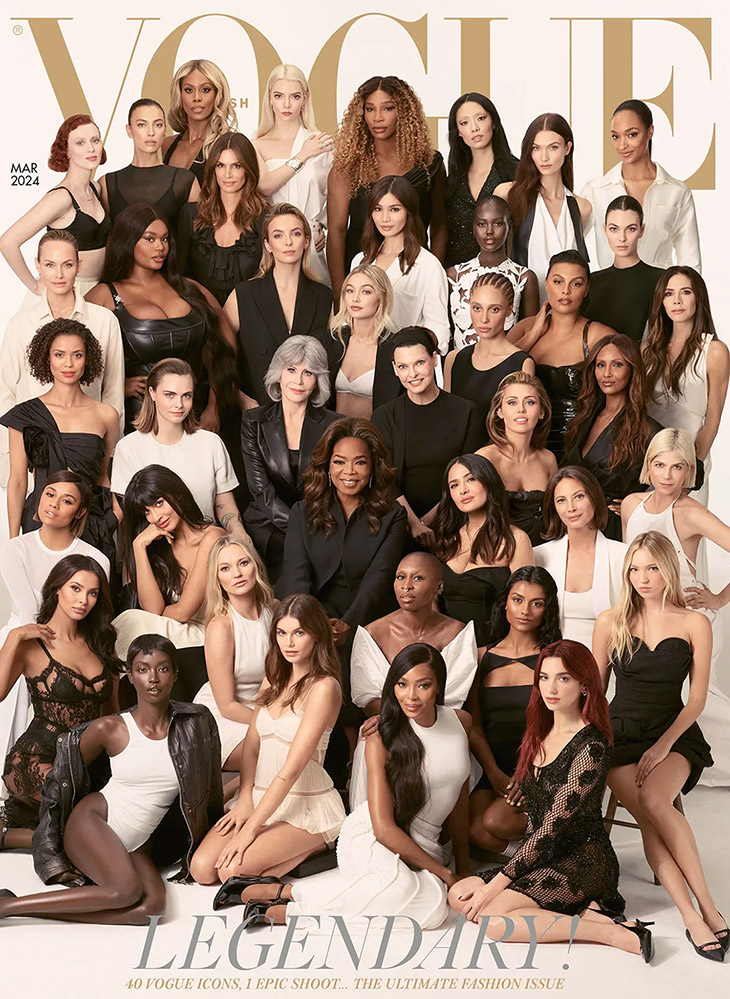
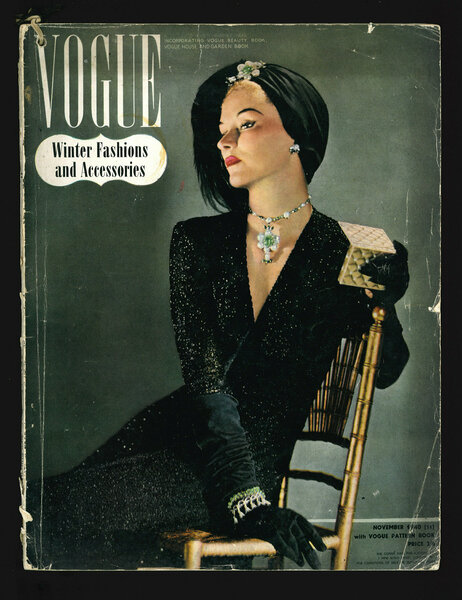
Yet, in 2008, The New York Times posed the question: “What’s Wrong with Vogue?”
Despite boasting some of the world’s best editors, writers, and photographers, with a portfolio spanning over 130 years, they argued that Vogue had become “stale and predictable.” Fast forward a decade, and The Guardian pointed out that Vogue had a “race problem,” while The Daily Mail called out its hypocrisy for critiquing Sally Rooney’s novels over a lack of plus-size representation, despite similar criticisms being thrown at its own pages.
I have collected British Vogue since March 2015 without missing a copy. While I can’t bring myself to critique it because I read it cover to cover each month, until Billie Eilish graced the cover in May with a giant red heeled foot, I had been finding myself disappointed.
I receive the magazine by subscription, and I try to avoid knowing what the cover is before I open the white paper-wrapped package. I peel the wrapping away, and it’s true, each month has provided a great A-List celebrity that is very ‘of the moment’. Renee Zellweger interviewed by Hugh Grant was a great read; editorially, it’s there. But something is missing: FUN!
On a recent trip to Lisbon, I was carrying out my travel ritual – find Vogue from that country – when I stopped in my tracks. Seven (yes, SEVEN) covers for their “Passion Issue” all providing fun, creativity, colour, life, charm, and obviously, passion!
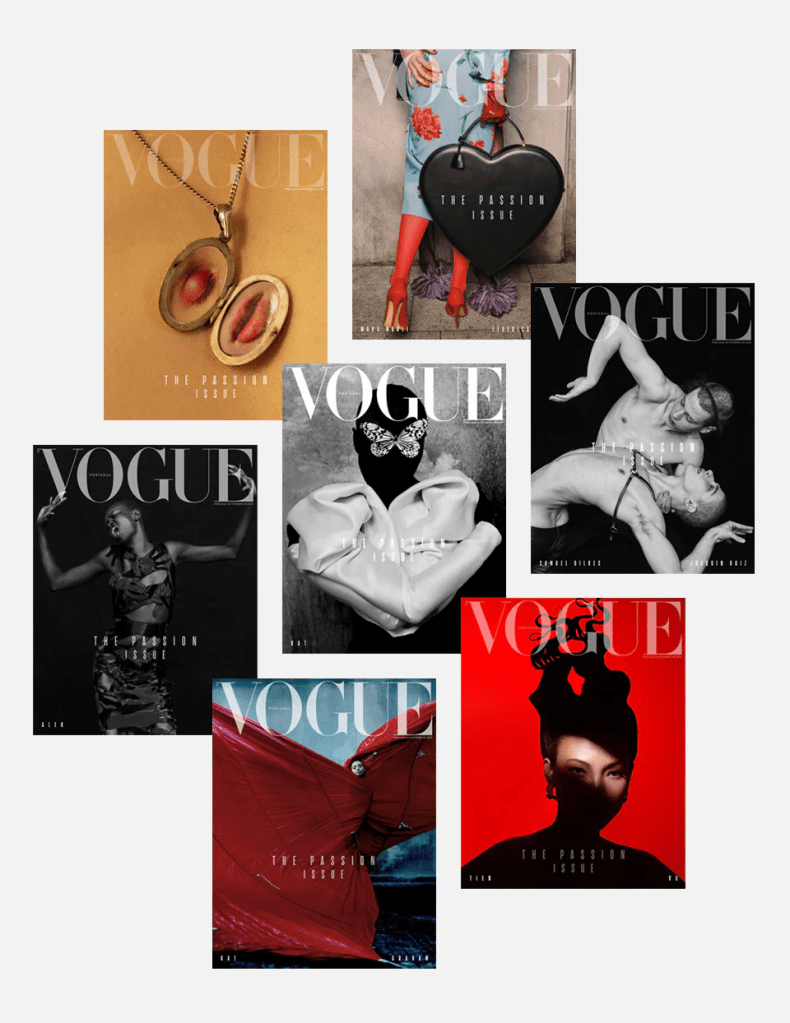
Forget the magazine covers featuring celebrities standing against dull backdrops. Vogue Portugal is the breath of fresh air we’ve all been waiting for. It doesn’t follow trends; it tells stories with covers that are so much more than just fashion shots.
Under the bold leadership of Editor-in-Chief Sofia Lucas, Vogue Portugal has redefined what a fashion magazine can be. It’s a stunning mix of art, creativity, and cultural relevance, blending high fashion with powerful storytelling that goes beyond surface-level trends.
And let’s not dismiss that it’s simply a joy to look at.
Every cover feels like a piece of visual poetry, pulling you in whether or not you recognise the face on the cover. It allows an influx of new talent, a focus on words, and an understanding of the importance of relevant content.
What truly sets Vogue Portugal apart is that it doesn’t rely on big-name celebrities. Instead of playing it safe with A-list stars, the magazine brings lesser-known faces and bold concepts to the forefront. This approach is a refreshing departure from the usual formula, no more predictable celebrity shoots.
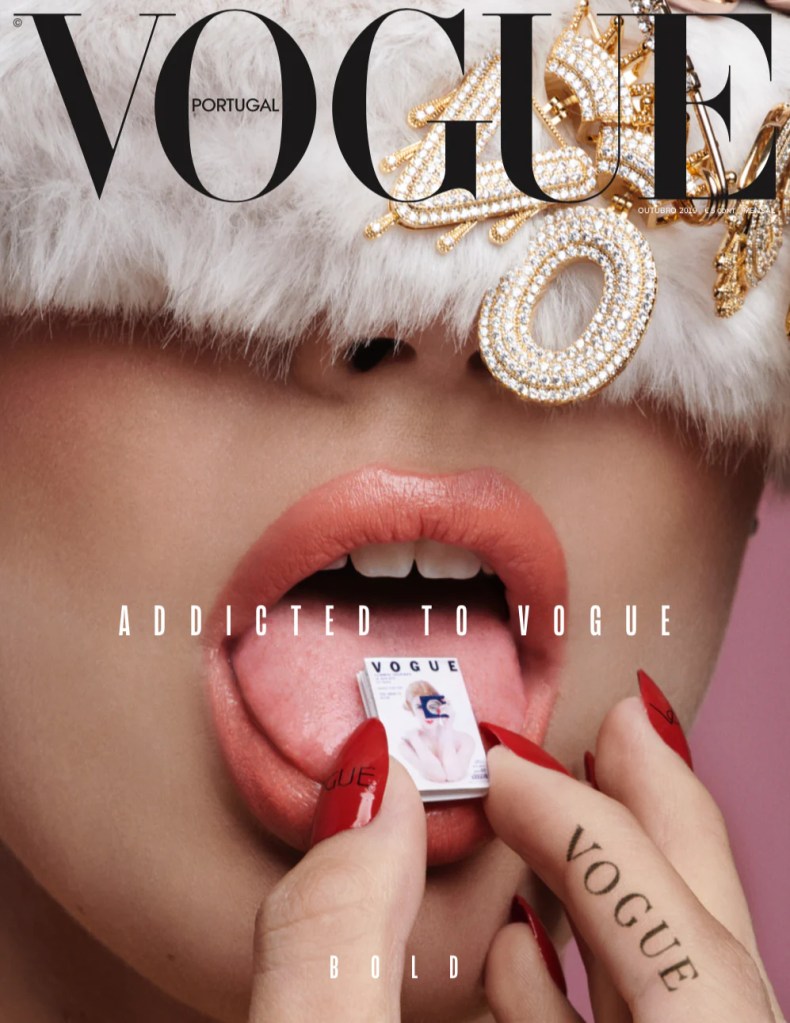
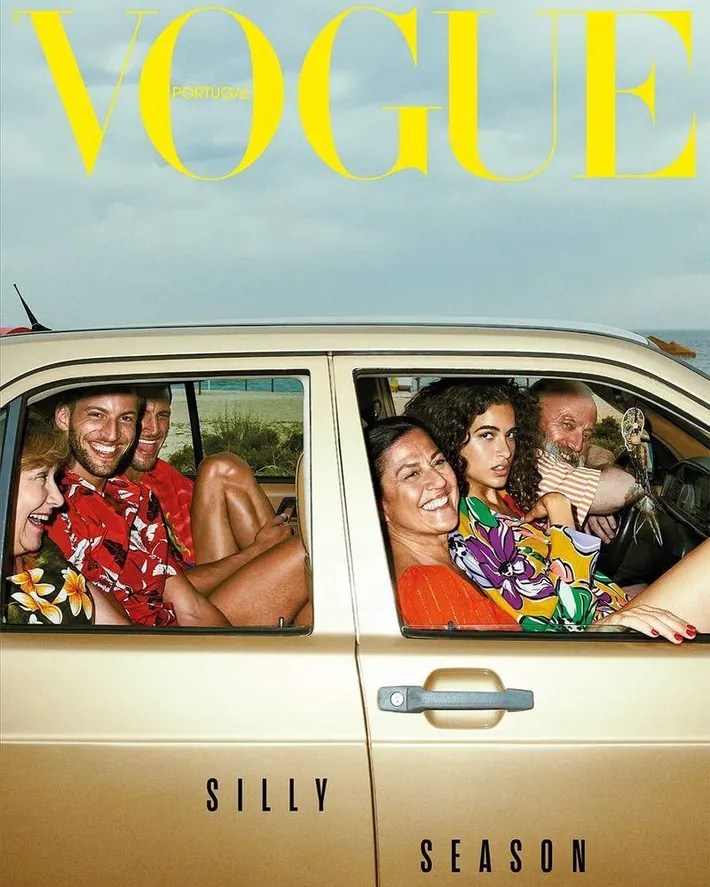
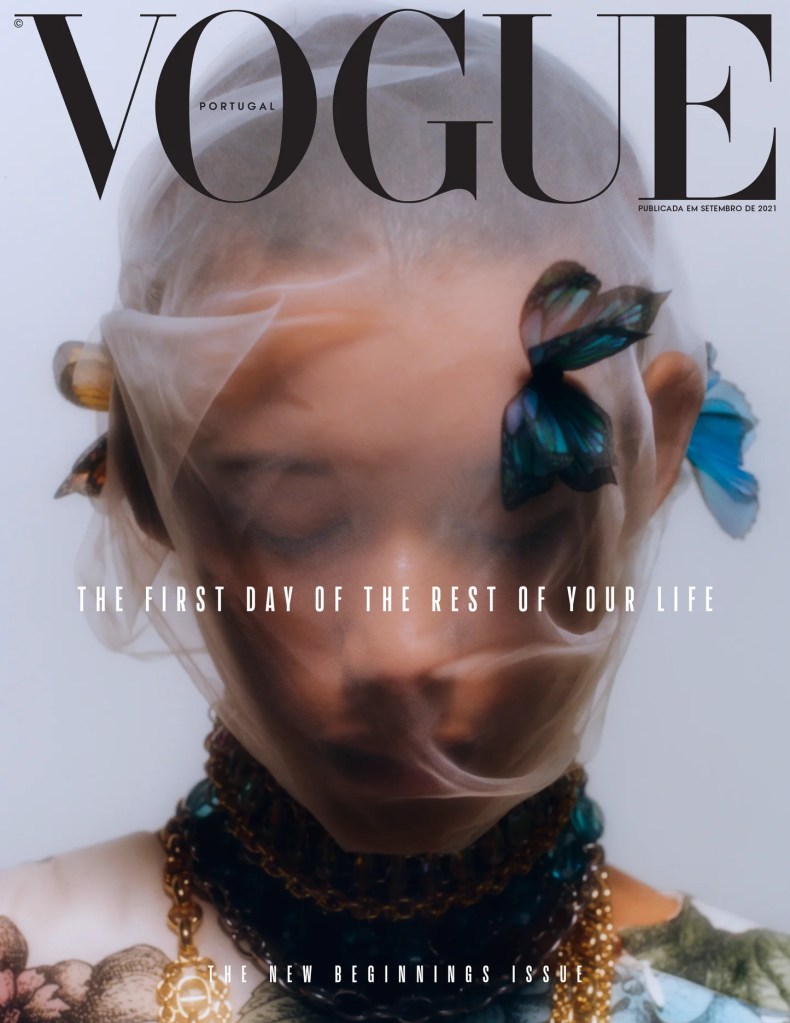

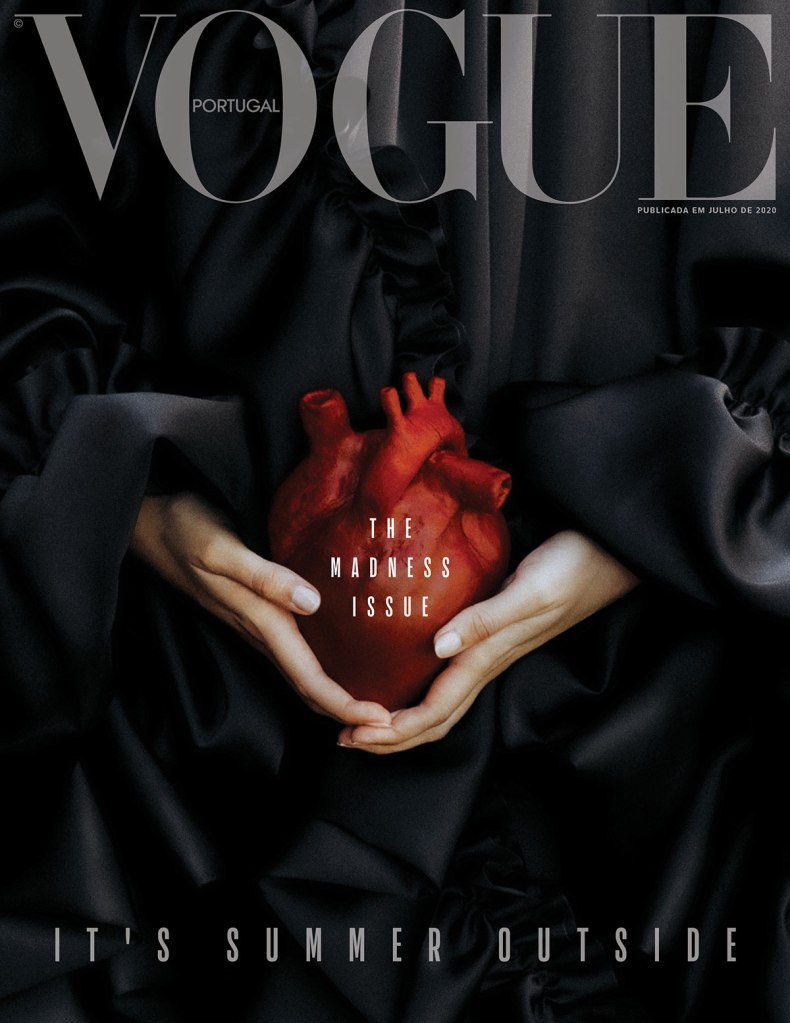


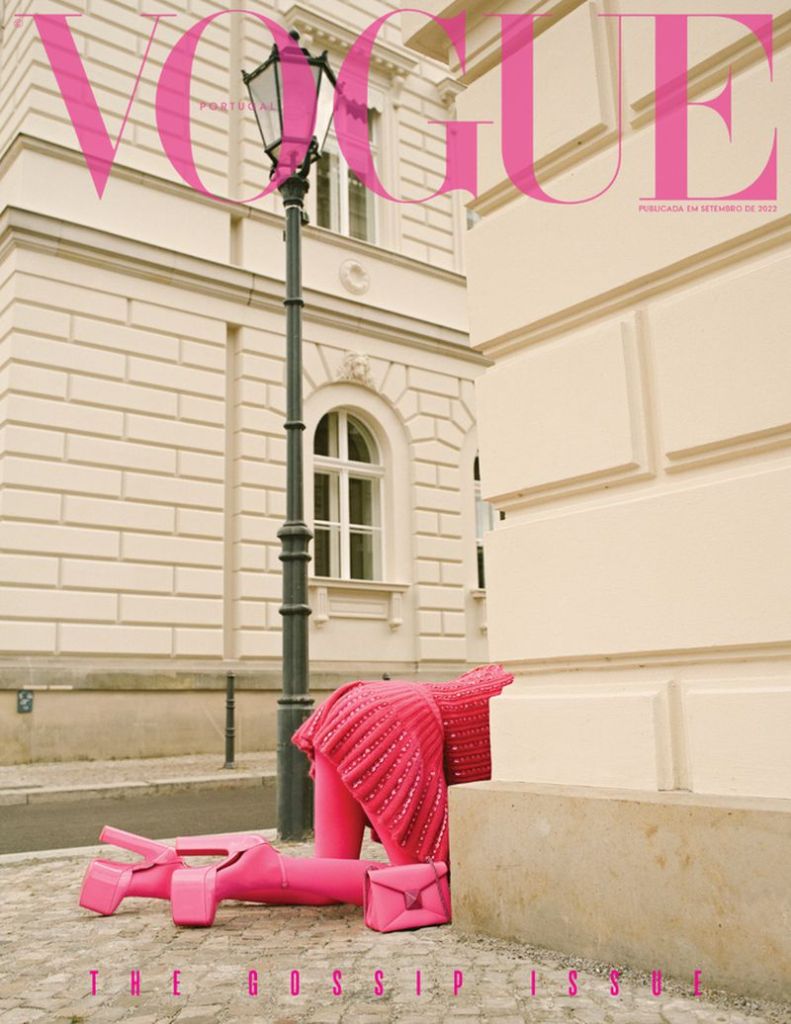

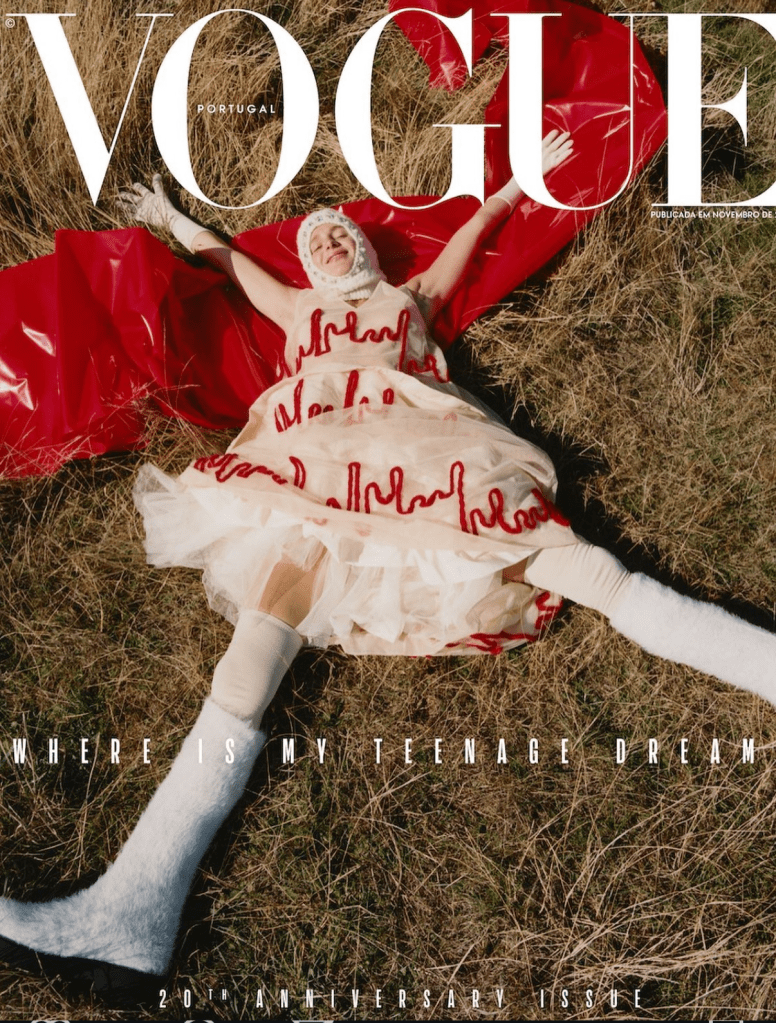


In fact, many covers feel like they belong in an art gallery, not on a newsstand. They’re creative masterpieces that invite you to think, reflect, and engage, not just flip through and move on.
What makes Vogue Portugal so special is its ability to capture the essence of an era. Editions like The Mystery Issue, The Passion Issue, Silly Season, and Respect 2020 delve into the political, emotional, and cultural climates of their time. These issues are more than just about fashion; they’re about telling powerful stories that reflect the world we’re living in, much like British Vogue under Edward Enninful.

Unlike other magazines that churn out the latest trend of the month, Vogue Portugal offers a fresh perspective that resonates with real life. It’s about seeing fashion through the lens of culture, emotion, and connection, making it relatable in a way that’s rare to find these days.
It’s a magazine that feels like an independent art curation rather than just another mainstream title. This is the kind of publication you’d want to display on your shelf, not just because it’s fashionable but because it represents something meaningful and inspiring.

In many ways, Vogue Portugal is the underdog within the Vogue family. It may not have the same global recognition as other editions, but that’s exactly what makes it so unique. It doesn’t need to compete for attention because it’s already making its mark in the fashion world with quiet yet powerful innovation. In an industry that often prioritises commercial success over creativity, Vogue Portugal stays true to its artistic integrity, and that’s what makes it a leader in the field.
Sofia Lucas has created an environment where print journalism still matters, where fashion isn’t just about the latest trends but about connection, relatability, and creativity. In an era when everything feels polished, predictable, and overly commercial, Vogue Portugal is refreshingly real.
For those craving authenticity, innovation, and a deeper connection with fashion, Vogue Portugal isn’t just another Vogue; it’s a story. If you haven’t picked it up yet, now’s the time to join the conversation.
All pictures of Portuguese Vogue covers are screenshots from Sofia Lucas’ Instagram account.
 BEYOND THE WORD