
As the world grapples with climate collapse, political fragmentation, and a collective sense of exhaustion from trends and fast-changing consumption cycles, fashion is responding to the anxiety. Instead of louder statements, there is a soft rebellion in the form of flowy silhouettes and an embrace of femininity.
At Paris Fashion Week, this shift was palpable. With so many creative directors being male, Isabel Marant and Chloé bring us the femininity we need. Not just with the clothes, but with two female creative directors.
Chloé’s Fall 2025 ready-to-wear offered a romantic revival steeped in slip dresses, ruffled blouses, and earthy nostalgia for a sense of dreaminess. Isabel Marant leaned into a more rebellious softness, merging 1980s punk attitude with grounding palettes and varying textures. Both collections have a shared longing to exhale and remember a feeling of freedom.
This isn’t just a return to boho; it’s a rejuvenation of it. Gone are the flower crowns and Coachella cliches (even if TikTok loves this right now); boho has found its footing as refined and feminine, both nostalgic and fitting for a modern woman.
Historically rooted in counterculture, bohemian fashion was once worn by artists and activists of the 19th and 20th centuries who used their clothing to reject bourgeois norms. In the 1960s and ‘70s, it aligned with the peace movement, second-wave feminism, and anti-war protests to reject rigid social norms.
Today, as we navigate political polarisation, war, and a climate in crisis, the same visual cues have resurfaced, but now they speak to a yearning for individuality and femininity and act as a visual pushback against the rigidity of mainstream society.
Importantly, whilst TikTok may have caught onto the trend now, it originated with the runway. This keeps it as an elegant expression of style that is worth investing in rather than being trapped in the cycle of overconsumption. But don’t take it from me – take it from Vogue and their article entitled, “The runway — not TikTok — brought back boho chic”.
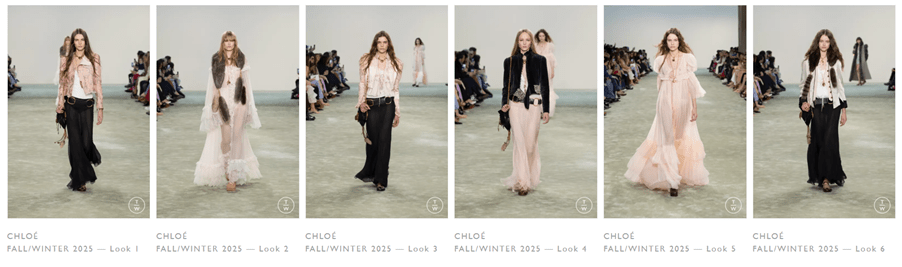
The Fall 2025 ready-to-wear runways brought this resurgence into focus. At Chloé, creative director Chemena Kamali presented a collection steeped in the house’s 1970s foundational Lagerfeld-era aesthetic.
Kamali isn’t a stranger to the house. Prior to her appointment in October 2023, she had worked as an intern when Phoebe Philo was at the helm, so it’s no surprise that she understands this form of femininity so well.
Floaty maxi dresses, ruffled blouses, and pastel silk slip dresses glided down the Paris runway as they made their debut. Kamali has received countless praises since her appointment, and this collection was no different. A breath of fresh air in an industry that is steadily looking extremely male.
These delicate, feminine pieces were contrasted with structured leather coats and faux-fur-trimmed outerwear. It represented perfectly the way a wardrobe collects things over time. Not everything goes together cohesively because people aren’t entirely cohesive. Modern women can relate to this multifaceted collection, already owning a wardrobe that is gathered and collected rather than carefully picked. Kamali understands the need for diversity in our closets.
Kamali said backstage, “Women have contradictions. We have different layers, different moods”. These should be honoured by different armour, both for femininity and practicality. This collection offers the freedom to feel feminine but is prepared for the 21st century.

That same interplay between strength and softness that women yearn for surfaced at Isabel Marant. Creative director Kim Bekker embraced what she called “a bit of a clash”. The fall 2025 collection merged a punk attitude with the brand’s bohemian spirit. With wearable tartan, studded leather, and distressed knits came lace and layers.
The result was sexy, effortless, and slightly rebellious – a perfect mixture for edgy elegance with the same essence of freedom found in boho.
Vogue’s Nicole Phelps critiqued a 2009 collection as “too commercial”, but Bekker’s Isabel Marant vision struck a chord. There was something comforting about the relaxed rebellion. It wasn’t curated; it was lived in. That sense of commercialism makes it more relatable to the modern woman, and the more people that find this connection in runways, the quicker we can turn away from the environmentally damaging TikTok trends.

The return of boho style also reflects the fashion world’s turmoil with overconsumption and the ethics of fast fashion. The return of ’60s and 70s-inspired clothes is a reflection of a yearning for roundedness and a rejection of overconsumption. Today’s bohemianism is intertwined with slow fashion ideals: vintage pieces, second-hand treasures, and ultimately clothing with a story. These garments reject the disposable cycle of trend-chasing and instead offer something more soulful and intentional.
The people embodying this type of multifaceted femininity are the likes of Alexa Chung and Kate Moss. They pave the way for individuality with their style being authentically true to themselves, and only as a result are they trailblazing new fashions.
In many ways, this return to boho mirrors a collective desire to step away from the chaos and towards something softer, more human. It’s escapism with substance. Amid the noise of algorithms and the sharpness of daily headlines, boho is freedom and femininity. Its rejection of control, speed, and excess is maybe just what we need most right now.
 BEYOND THE WORD