A world where art must be scroll-stopping to be seen
The digital age, governed by trends, algorithms, and a relentless drive for engagement, pulls us towards the curated, the clickable, and the crowd approved. With an ever-shifting carousel of trends spinning through our feeds – from “clean girl” minimalism to chaotic grunge revival – it becomes harder to distinguish between what genuinely reflects our identity and what simply conforms to the algorithm’s idea of it. Aestheticism, however, has become inseparable from how we express ourselves. From the clothes we wear, to the interior design choices (enter minimalism vs maximalism), the brunch destinations we choose, and the playlists we share, aesthetic choices are stitched into the very fabric of our everyday lives.
Our craving for acceptance is not a new phenomenon, it is embedded deep within our evolutionary wiring. But today, that desire feels heightened, more performative, and increasingly filtered through the lens of aesthetics. And so the question arises: how do we preserve personal authenticity in a world so finely tuned for performance?
Enter Berlioz.
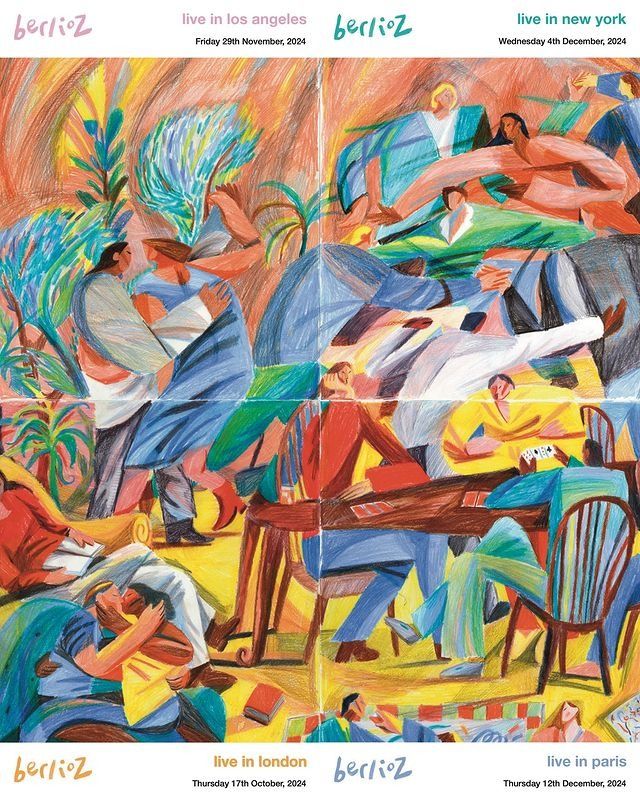
Berlioz presents a fascinating case study. Known governmentally as Jasper Attlee and formerly as Ted Jasper, the jazz house DJ is redefining the intersection of sound and image. With striking visuals, evocative track titles, and a self-aware sense of irony – summed up by his motto, “If Matisse made house music” – he is not just creating music; he is curating a full experience. In this way, Berlioz has become a gateway for new listeners, drawing them into the worlds of jazz and house; two genres that rely as much on emotional resonance as on structure and form.
His motto, “If Matisse made house music”, goes beyond clever branding. It frames his music as both high art and deeply accessible; abstract yet emotionally charged. Every detail of his work, from the immersive visuals to the thoughtful architecture of his sets, feels intentional and curated, but never forced. He is not chasing virality or quick trends. He’s crafting an experience.
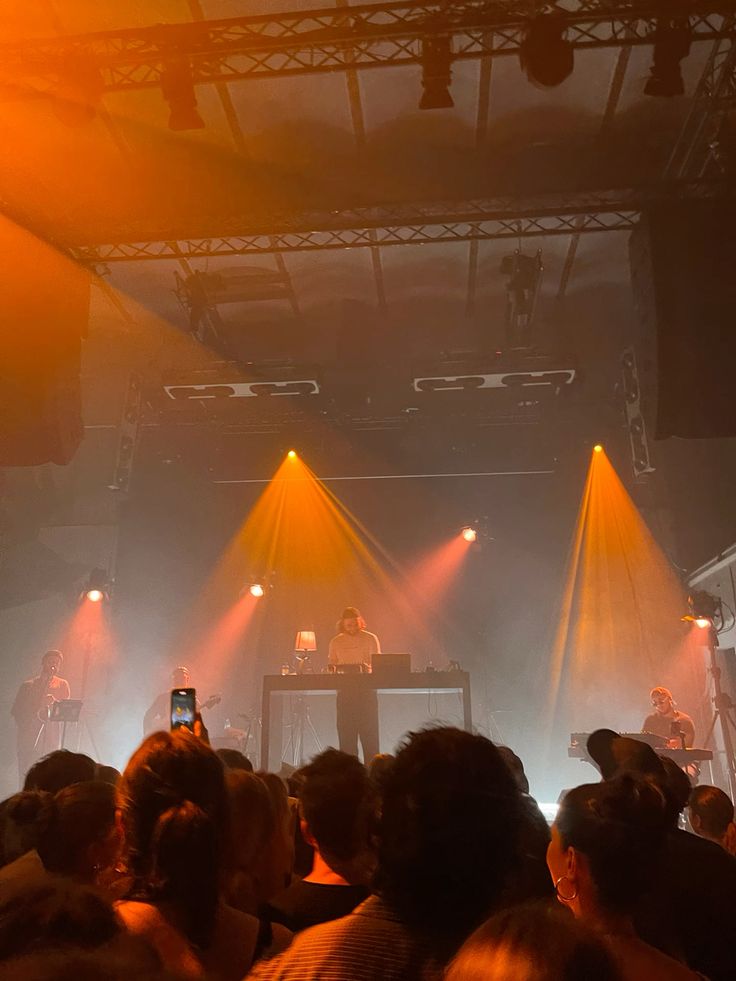
Witnessing this first hand at KOKO in Camden, his booth stood solo at the centre of the stage, a single spotlight casting a halo around him created an atmosphere that was intimate but cinematic. It did not just sound good, it also felt good. It was more than a set: it was an invitation into another world.
Berlioz isn’t just making music—he’s cultivating an aesthetic, a culture, maybe even a movement.
But here’s the paradox: Berlioz is both an antidote and a product of our aesthetic-driven culture. Platforms like TikTok and Instagram have turned aesthetic into a form of currency. Art does not just need to be good anymore, it has to be instantly legible, visually engaging, and algorithm-friendly. The platforms flatten nuance into shorthand: this is moody, this is vibey, this is authentic. But what does “authentic” mean when even imperfection is stylised?
Maybe the deeper, more uncomfortable truth is: authenticity no longer survives in spite of aestheticism – it survives through it. We do not trust things that do not look like they “fit.” The polish, the framing, the curated imperfection, it signals something real, even when it is just another layer of artifice.
And yet… Berlioz does not feel fake. His music invites you in. It does not demand virality, even if it flirts with it. There is a softness in how he blends genres, how he lets space and silence breathe in a track. That sincerity coexists with the aesthetic, but it is hard to know which one brought you in – and which one stayed with you.
So maybe the question is not “can authenticity survive without aestheticism?” but rather:
Can we even recognise authenticity anymore if it does not look the part?
 BEYOND THE WORD